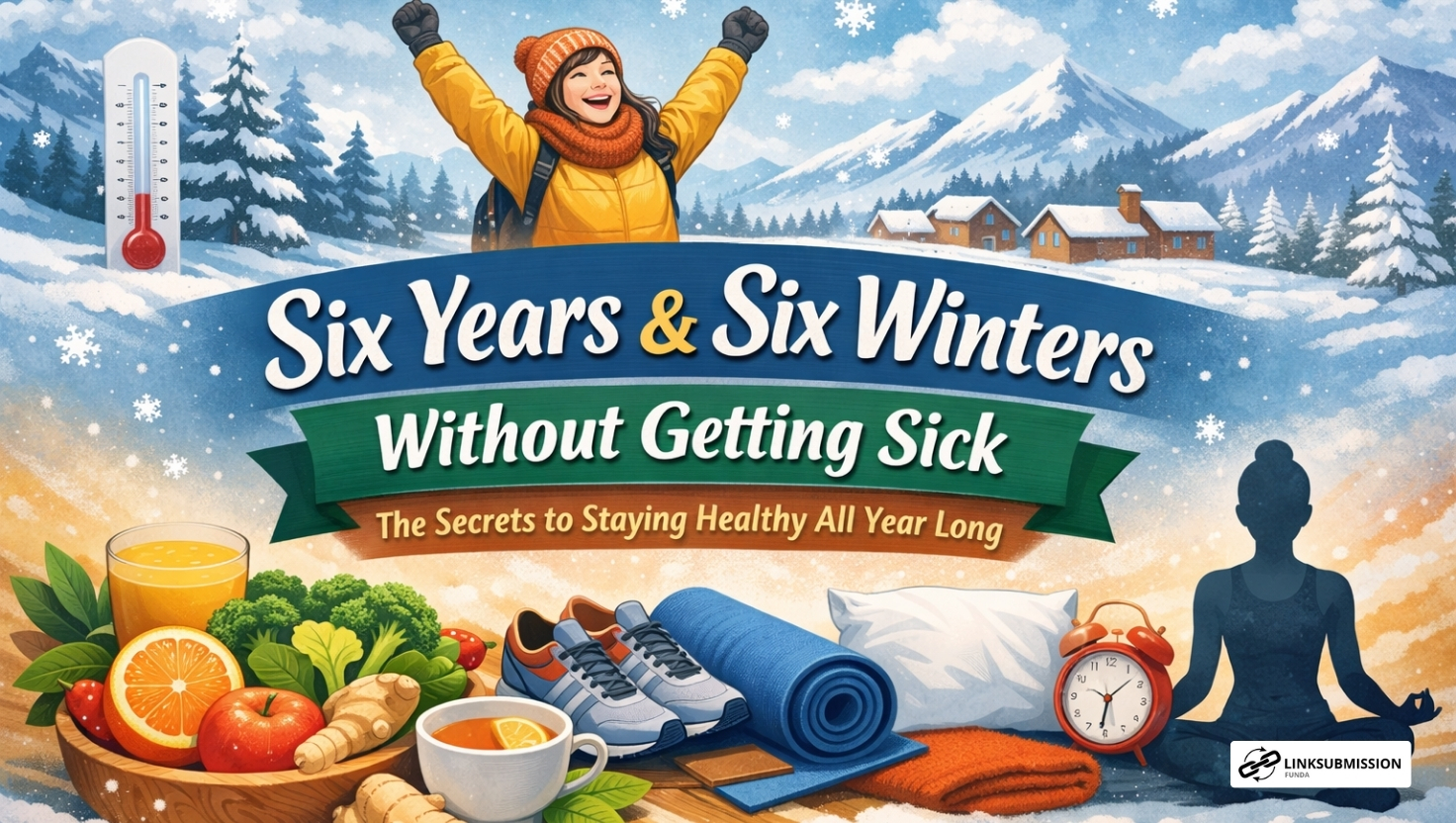
When people talk about winter, they often think of cozy blankets, hot drinks, and festive vibes. But alongside the beauty of the season comes the common cold, flu, and a sudden drop in immunity for many. Yet, there are some people who proudly say they haven’t fallen sick for years—even through the coldest winters. Six years and six winters without getting sick may sound unusual, but it’s not magic. It’s a mix of mindful living, disciplined habits, and a deeper understanding of the body’s needs.
Staying healthy doesn’t happen by accident. It comes from a lifestyle that respects the immune system rather than testing its limits. The human body is incredible at protecting itself, but it can only perform well when it is supported consistently. One of the biggest contributors to year-round health is maintaining a strong immune system through everyday habits rather than reacting only when illness strikes. Good nutrition, proper rest, mental peace, and movement work together like a team.
Diet plays a crucial role. Those who manage to stay illness-free year after year often follow balanced eating patterns without obsessing over strict restrictions. Winters especially tempt people toward junk food, sweets, or excessive oily dishes. But immunity thrives on nutrients—vitamins, minerals, antioxidants, and proteins. Fresh fruits, vegetables, whole grains, nuts, seeds, seasonal produce, herbal drinks like kadha, ginger tea, or turmeric milk, and adequate hydration build defense silently. It’s not about following viral health hacks; it’s about being consistent with simple, nourishing choices.
Another underrated factor is sleep. In a world full of screens, deadlines, and distractions, sleep is often sacrificed first. However, quality sleep is when the body repairs, regenerates, and strengthens immune responses. People who claim they rarely fall sick usually value sleep as much as work and productivity. They respect routine—sleeping at the same time, waking up refreshed, and allowing the body to reset. A tired body is always an easy target for illness.
Physical activity is yet another pillar. You don’t have to be a gym freak or athlete to stay healthy through winters. Regular walks, yoga, light exercise, stretching, or even staying physically active through day-to-day chores helps maintain circulation, lung health, and stamina. Movement keeps the body warm, energetic, and protective against seasonal vulnerability. Exercise also reduces stress, which is a silent enemy of immunity.
Speaking of stress, mental health is just as important as physical health when it comes to staying illness-free. Chronic stress weakens the immune system faster than people realize. Those who remain healthy often cultivate positivity, emotional balance, and calmness in life. They know when to slow down, disconnect, and breathe. Whether it’s meditation, spending time with loved ones, pursuing hobbies, or simply maintaining a balanced outlook, emotional stability has a powerful effect on physical well-being.
Hygiene and environment also matter significantly. Simple habits like washing hands regularly, maintaining clean surroundings, dressing appropriately for cold weather, and avoiding careless exposure to infections go a long way. Winters tempt people to neglect water intake, skip showers, and delay healthy routines—but discipline makes the difference. A clean lifestyle is one of the strongest shields against seasonal illnesses.
One more secret behind six winters without falling sick is consistency. People often start healthy habits with enthusiasm but drop them within weeks. True health protection builds over time. The body recognizes patterns. Consistency trains the immune system, stabilizes lifestyle rhythm, and creates resilience. Being mindful all year, not only during winter, helps the body enter the cold season already strong.
Of course, it’s important to remember that every body is different. Not falling ill for years doesn’t mean someone is “superhuman,” and catching a cold sometimes is not a weakness either. Illness is natural, and even the healthiest people can fall sick occasionally. The purpose of this journey is not to create pressure but to show that staying healthy is possible when health becomes a lifestyle rather than a seasonal concern.
Six years and six winters without getting sick is not about luck; it’s a story of discipline, thoughtful living, and respect for the body. It proves that when we take care of our health consistently—physically, mentally, and emotionally—the body rewards us with strength, resilience, and well-being. And as another winter approaches, this experience serves as a reminder that good health is built daily, through simple choices that together create extraordinary results.