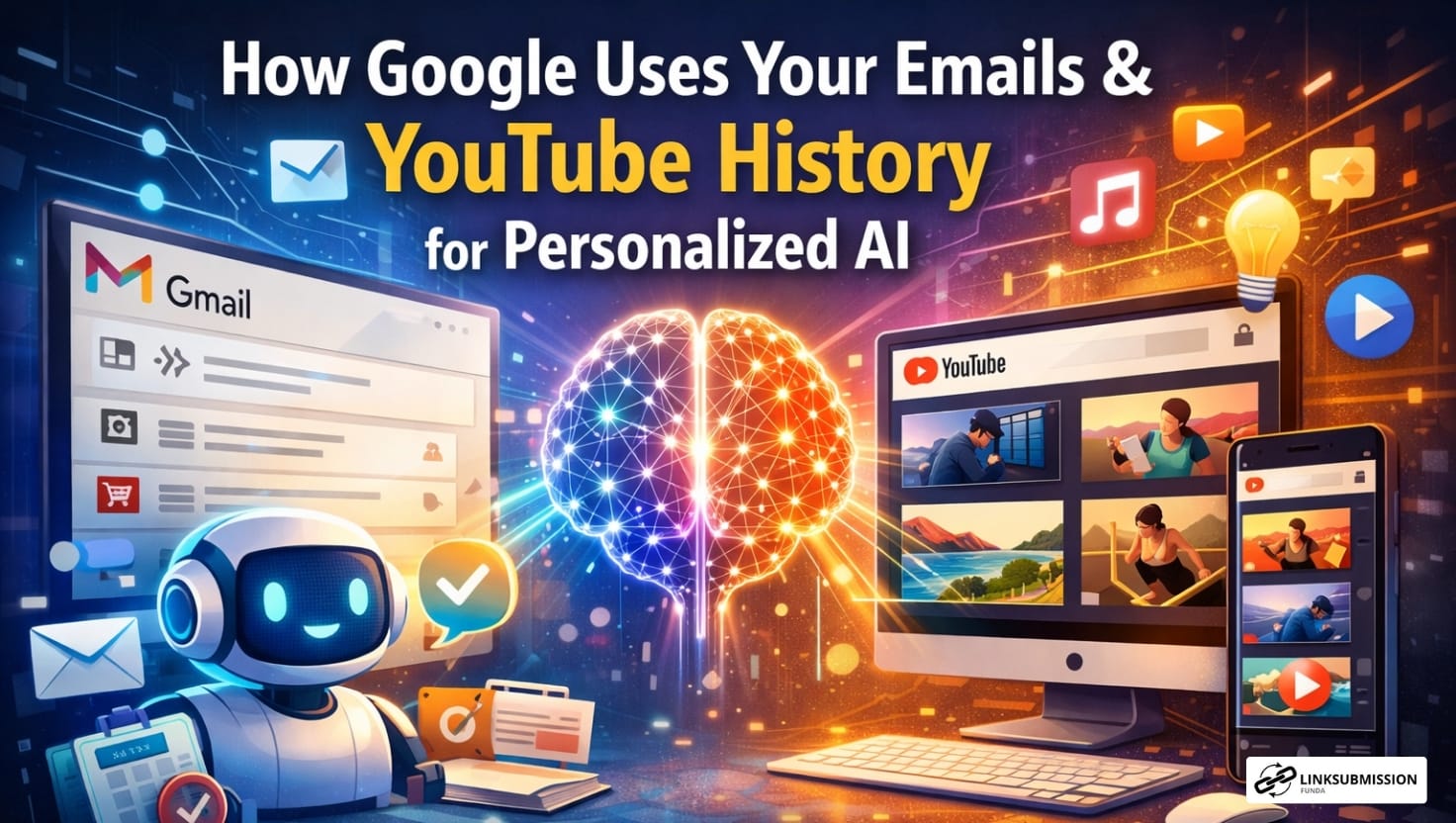
In the race to build smarter and more intuitive artificial intelligence, personalization has become the ultimate differentiator. Google, already sitting on one of the world’s largest ecosystems of user data, is now tapping deeper into emails and YouTube watch history to supercharge its AI capabilities. This move signals a major shift in how AI assistants understand users—not just as search queries, but as individuals with habits, preferences, and evolving interests.
From Search Queries to Digital Context
For years, Google’s personalization revolved around search history, location, and basic activity tracking. While this allowed for relevant ads and recommendations, it offered only a fragmented view of users. Emails and YouTube history, on the other hand, provide something far richer: context.
Emails reveal real-life intent—travel bookings, event invites, shopping receipts, subscriptions, and professional conversations. YouTube watch history reflects long-term interests, moods, learning goals, and entertainment choices. When combined, these data sources help AI move beyond reactive responses to proactive assistance.
Imagine an AI that knows you’ve booked a flight from your email, watched multiple videos about budget travel, and followed productivity channels on YouTube. Such an assistant could suggest packing lists, recommend travel-friendly gadgets, or even remind you of visa requirements—without being explicitly asked.
Why Emails Matter So Much
Gmail isn’t just a communication tool; it’s a structured record of daily life. Receipts, confirmations, reminders, and conversations collectively paint a timeline of user behavior. By tapping into this data, Google’s AI can better understand priorities and upcoming needs.
For example, if your inbox shows recurring invoices or subscriptions, AI could offer insights on spending patterns or alert you before renewals. If emails reveal frequent meetings or deadlines, the assistant could suggest calendar optimizations or focus time. This level of understanding transforms AI from a question-answering system into a digital companion.
Google maintains that such data is used with strict privacy controls and user consent. Still, the depth of insight emails offer makes them one of the most powerful inputs for personalized AI.
YouTube History: A Window into the Mind
If emails reflect what users do, YouTube history reveals what they care about. From educational content and tutorials to music, vlogs, and entertainment, viewing habits evolve over time and often mirror life stages.
Someone watching videos about fitness, healthy recipes, and mindfulness might be in a self-improvement phase. Another user binging coding tutorials could be preparing for a career shift. By analyzing these patterns, AI can adapt its tone, suggestions, and knowledge depth to suit the user’s current mindset.
This is especially valuable for generative AI tools. Knowing whether a user prefers quick explainers, deep-dive lectures, or visual demonstrations helps AI tailor responses in a more human-like way.
The Bigger Goal: Truly Personal AI Assistants
Google’s push isn’t just about better recommendations—it’s about building AI that feels personal. Future AI assistants could draft emails in your writing style, suggest videos aligned with your learning pace, or summarize content based on your interests.
This also impacts productivity tools. Personalized AI could prioritize notifications, highlight relevant emails, or recommend content that aligns with both professional and personal goals. In essence, Google is working toward AI that understands “you” rather than just “your query.”
Privacy Concerns and User Control
Naturally, deeper personalization raises serious privacy questions. Emails and viewing history are deeply personal, and users are increasingly cautious about how their data is used. Google has emphasized that personalization features come with transparency, opt-in controls, and the ability to manage or delete data at any time.
However, the balance between convenience and privacy will remain a critical challenge. Trust will play a decisive role in whether users fully embrace AI powered by such intimate data sources.
What This Means for the Future
Google’s strategy highlights a broader trend in AI development: context is king. The next generation of AI won’t just answer questions—it will anticipate needs, adapt to preferences, and evolve alongside users.
By leveraging emails and YouTube history, Google is positioning its AI to become more intuitive, helpful, and human-like. For users, this could mean less friction in daily tasks and more meaningful digital experiences. For the tech industry, it sets a new benchmark for what personalized AI can achieve—while also redefining the conversation around data, consent, and trust.
As AI continues to integrate into everyday life, one thing is clear: personalization is no longer optional. It’s the foundation upon which the future of intelligent assistants will be built.