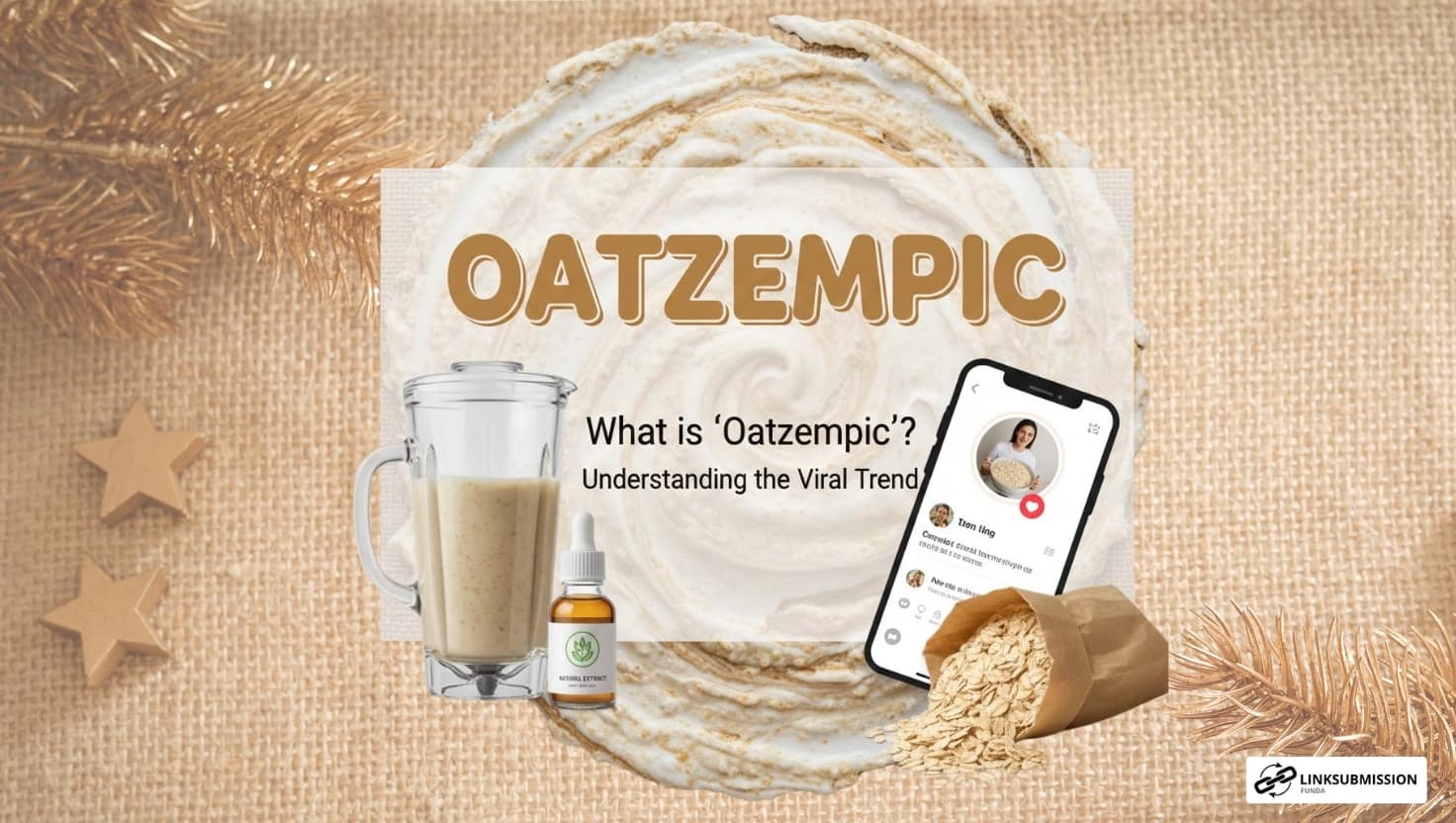
In late 2025 and early 2026, a new weight-loss trend called “Oatzempic” went viral across TikTok, Instagram Reels, and other social media platforms. The name is a clever mash-up of “oats” and “Ozempic,” the prescription drug that has become famous for helping people with weight loss and diabetes control. But despite the name, Oatzempic isn’t a medication, nor does it work like Ozempic at all.
At its core, Oatzempic is simply a homemade drink made by blending oats with water (or a milk alternative) and sometimes adding a squeeze of lemon or lime juice. People often drink it in the morning as a breakfast replacement or as a hunger-curbing beverage. Some variations include cinnamon or even a small amount of honey for flavor.
Because of its clever name, many people assume this drink somehow mimics the effects of Ozempic. However, that assumption is scientifically unfounded. The drink contains no active pharmaceutical ingredients, and it does not influence metabolic hormones the way Ozempic does.
Ozempic vs Oatzempic: Why the Confusion?
To really understand the hype, it helps to know what Ozempic actually is. Ozempic is a prescription medication whose active ingredient is semaglutide, a GLP-1 receptor agonist originally developed to treat type 2 diabetes. It mimics a natural hormone called GLP-1, which helps regulate blood sugar and also slows gastric emptying — meaning you feel full longer. These effects, combined with reduced appetite, can lead to significant weight loss when used under medical supervision as part of a comprehensive treatment plan.
In clinical studies, people taking semaglutide drugs like Ozempic or its cousin Wegovy have shown meaningful weight-loss results over time when combined with diet and exercise. However, these outcomes are based on controlled dosing, medical oversight, and sustained lifestyle changes — not on consuming a blended oat drink.
By contrast, Oatzempic contains no semaglutide and does not interact with your body’s appetite hormones in a targeted way. It’s purely a food-based concoction.
Why Are People Drinking Oatzempic? The Logic Behind the Trend
So why has Oatzempic captured so much attention? The answer lies in the power of social media and a universal desire for a simple “shortcut” to weight loss.
1. Satiety Through Fiber
Oats are rich in soluble fiber, especially a type called beta-glucan. When mixed with water, this fiber forms a gel-like substance in your gut, which slows digestion and helps you feel fuller for longer. This naturally reduces hunger and can make it easier to eat less overall.
Feeling full can indeed help with weight management. If you replace a high-calorie breakfast or snack with a low-calorie oat drink, you may inadvertently consume fewer calories throughout the day. That calorie deficit — the basic principle behind weight loss — can lead to modest reductions on the scale over time.
2. Low Calorie Swap
A basic Oatzempic drink is low in calories — typically around 120-150 kcal — and offers fiber and some nutrients. For someone who normally eats a higher-calorie morning meal, swapping in this drink might lower daily energy intake, again potentially contributing to gradual weight loss.
However, this is not a guaranteed weight-loss method, nor is it a “magic potion.” Oats alone cannot cause dramatic or rapid weight loss — unlike what some social posts suggest.
Does Oatzempic Actually Work for Weight Loss? What the Science Says
Experts generally agree that Oatzempic is not a proven weight-loss solution. There are no clinical trials or scientific studies showing that drinking a blend of oats and water causes meaningful or sustained fat loss.
Here’s why:
Lack of Hormonal Action
Unlike Ozempic, the oat drink does not influence GLP-1 receptors or other appetite-regulating hormones in a significant way. Feeling full due to fiber is a much milder effect and doesn’t equate to the physiological impact of a prescription drug.
Not a Complete Meal
A drink made of oats and water lacks many essential nutrients, especially protein, healthy fats, and micronutrients. If used as a meal replacement without careful planning, it can lead to nutrient shortfalls.
No Long-Term Evidence
There are no long-term studies that demonstrate Oatzempic leads to sustained weight loss, improved metabolic health, or better blood sugar control. Any anecdotal stories of dramatic loss are unverified and may be due to other lifestyle changes.
So, Should You Try Oatzempic?
If you’re curious and enjoy oats, there’s nothing inherently harmful about trying a fiber-rich oat drink. It’s safe for most people (barring specific dietary restrictions) and can be a healthy way to increase your fiber intake.
But it’s important to be realistic:
- It’s not a substitute for balanced eating, regular exercise, or medical treatments prescribed by a health professional.
- Any weight loss you do experience is likely due to** reduced calorie intake** rather than a special “metabolic effect.”
- Sustainable weight loss typically requires a comprehensive approach, including nutrition, physical activity, and behavior changes.
Final Takeaway
Oatzempic is a viral social-media trend based on blending oats, water, and sometimes citrus. It may help you feel fuller for longer due to the fiber content, which could contribute to modest calorie reduction. However, it does not act like Ozempic, is not medically proven for weight loss, and should not be relied on as a standalone “miracle” solution.
For lasting and healthy weight management, evidence-based habits and guidance from healthcare professionals remain the best approach.